Reviewing a Technical Proposal: Questions That Expose Hidden Risk
A promising technical demo is not enough to approve an architecture.
Ideas from practice—on building and maintaining digital products, making sound technical decisions, and taking responsibility for the outcome.
22 articles
A promising technical demo is not enough to approve an architecture.
A status update can be accurate yet leave the next engineer blocked.
Reusing a UI component does not mean testing every page identically.
A comprehensive wiki can still leave the next engineer stuck.
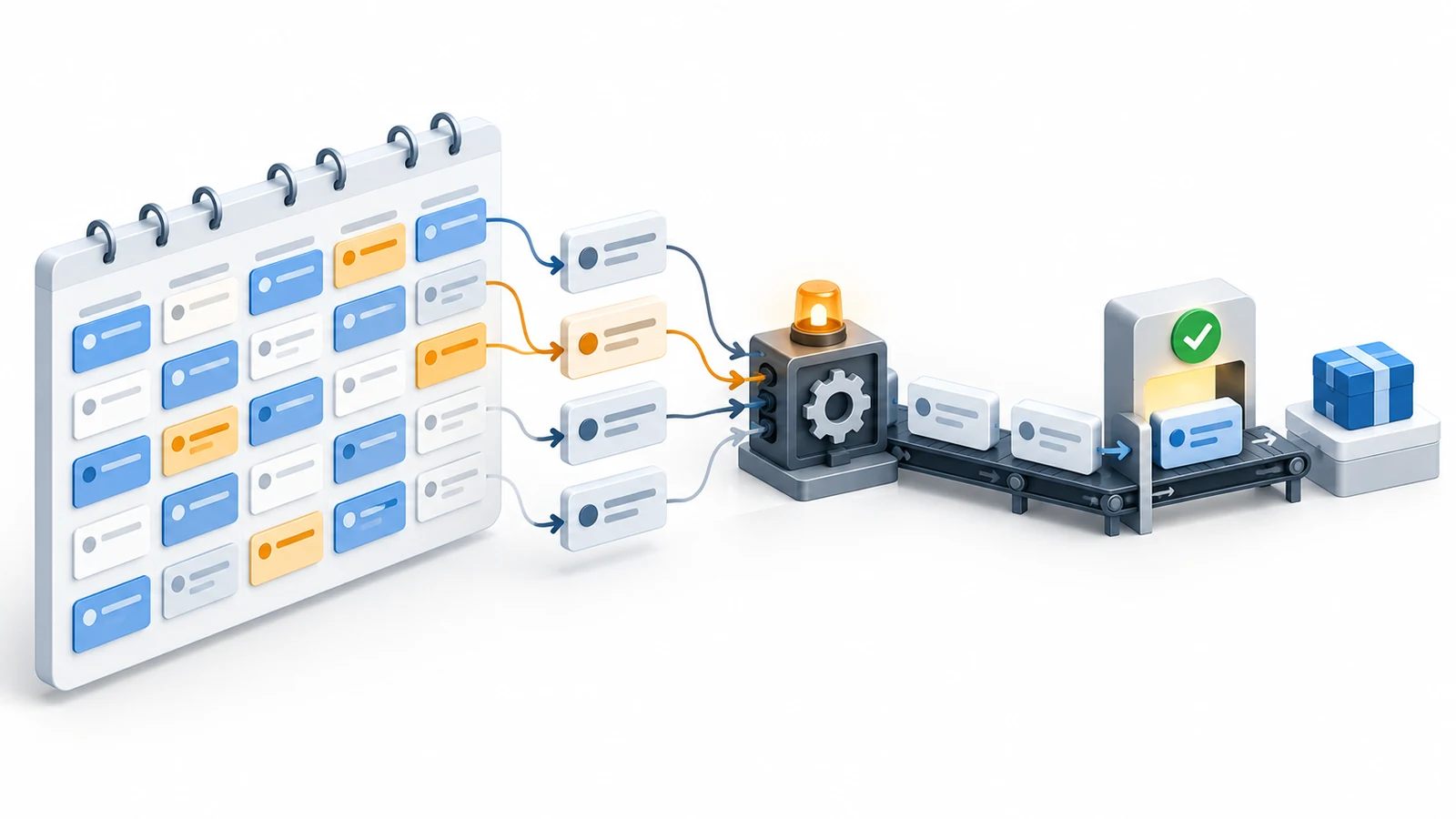
A team can have sufficient capacity on paper and still lack a credible route to Done.

A small gift-message request can affect a whole checkout release.
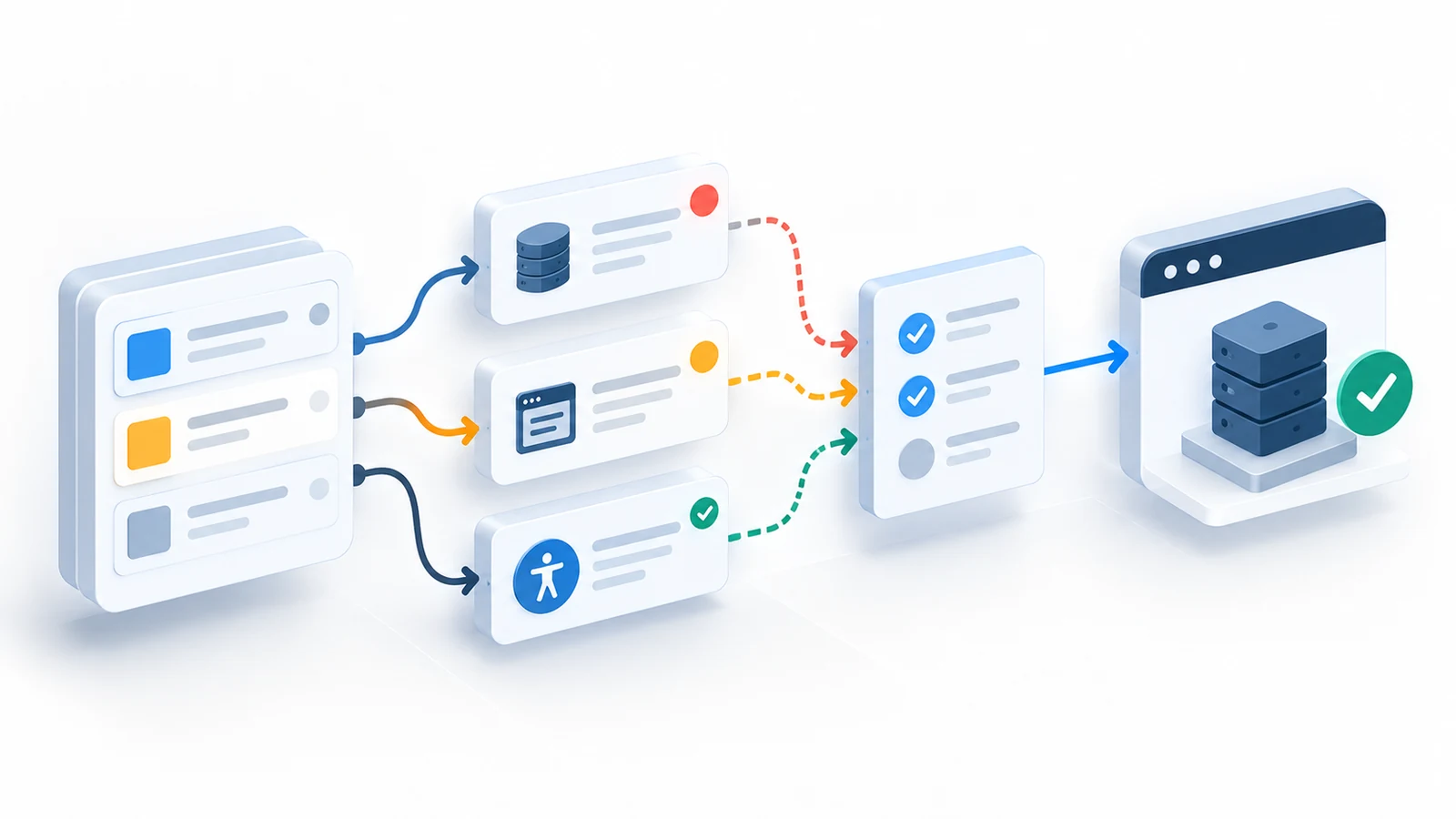
A useful risk register does more than rank concerns.
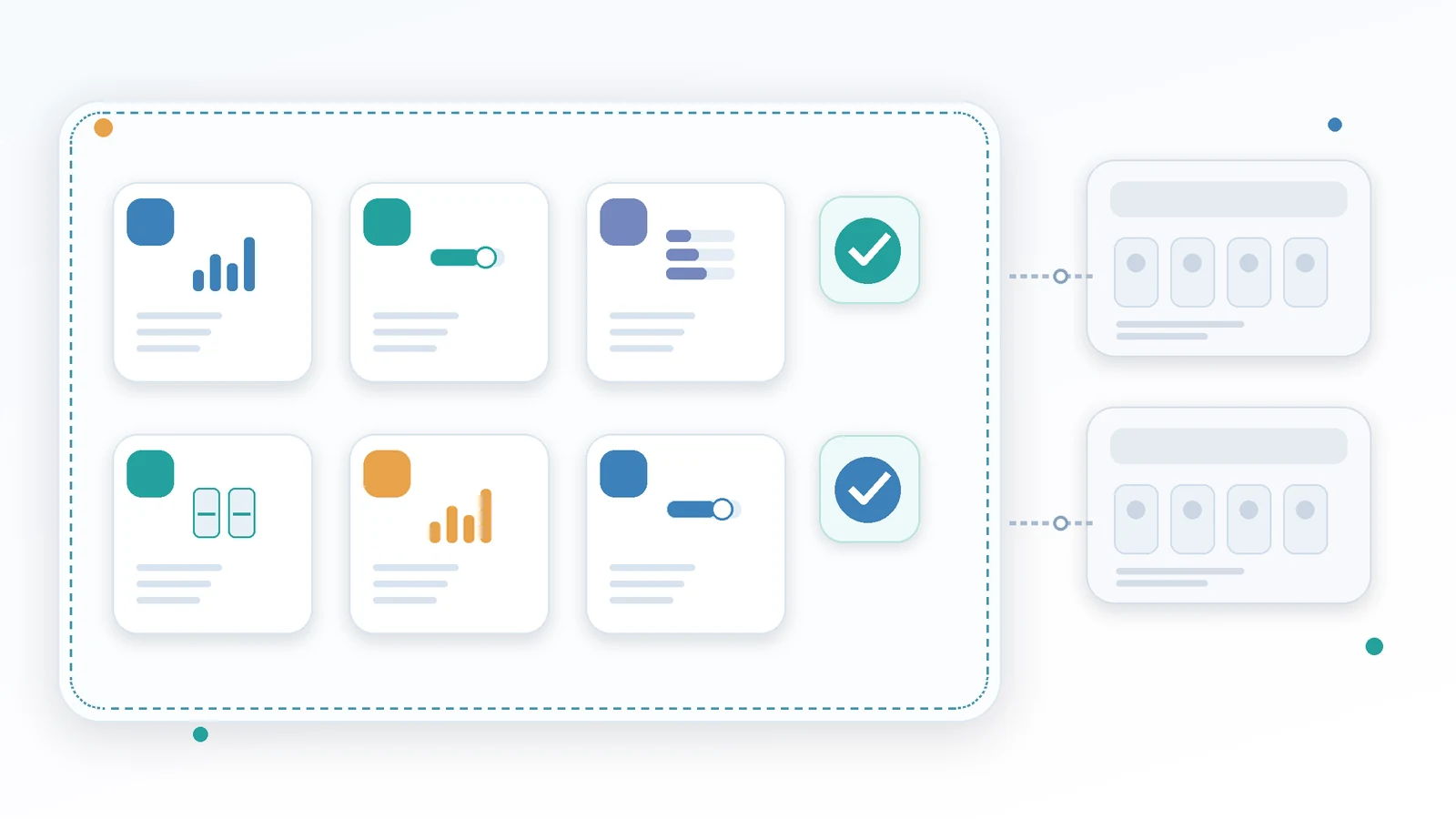
My thesis reported strong reuse and testing metrics.
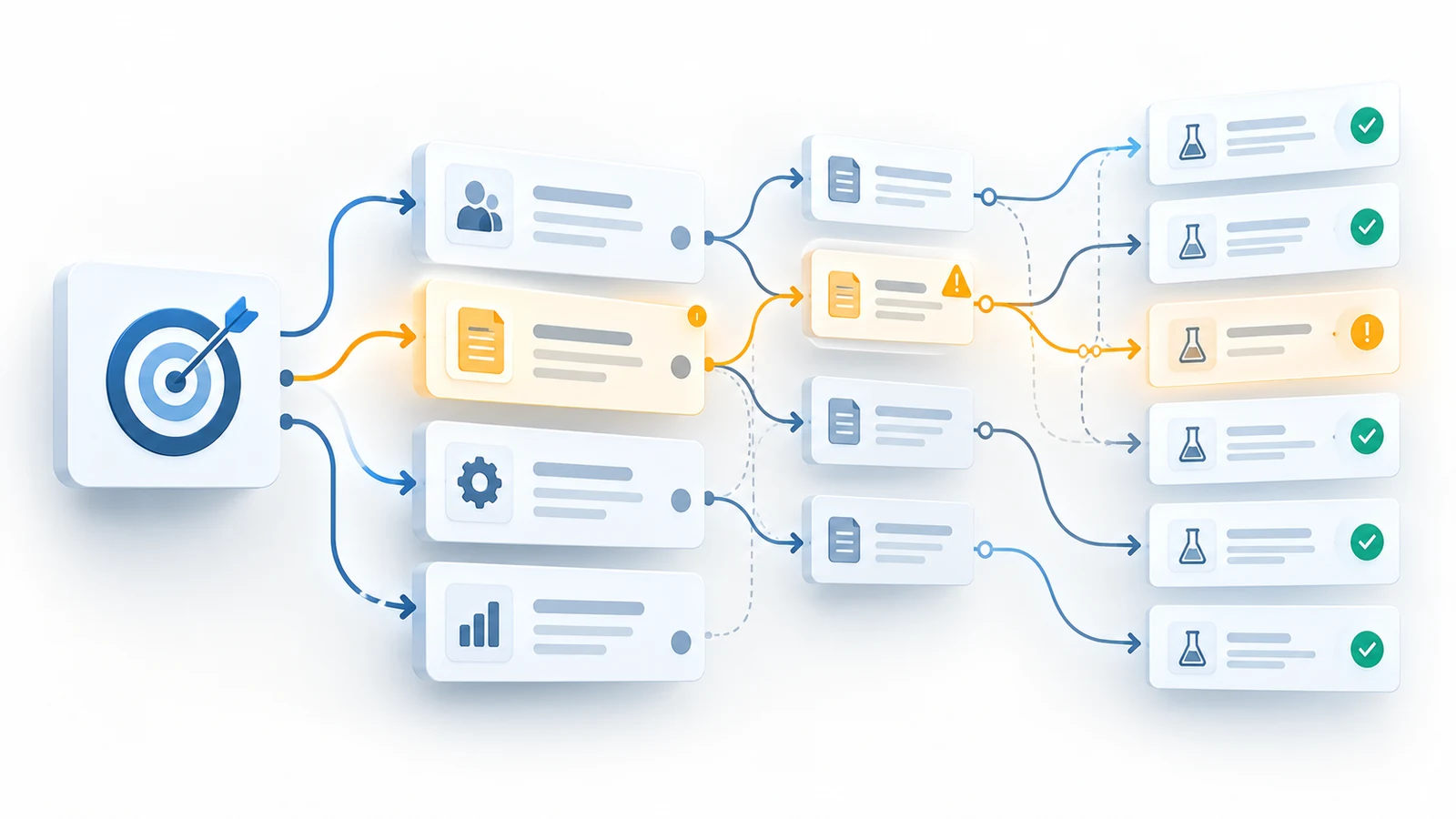
Acceptance criteria explain how to test behavior.
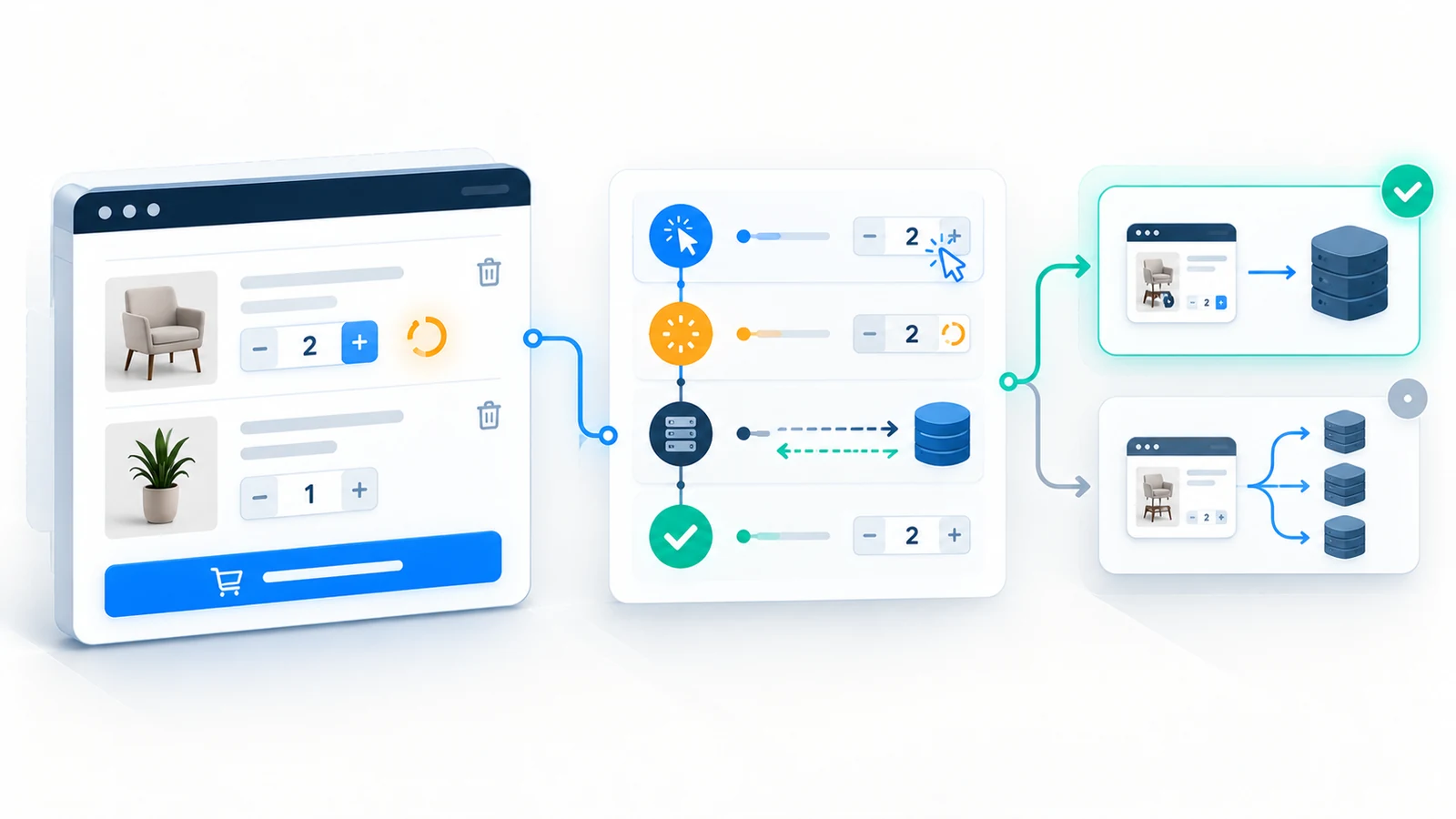
An engineering solution can sound convincing and still be poorly justified.
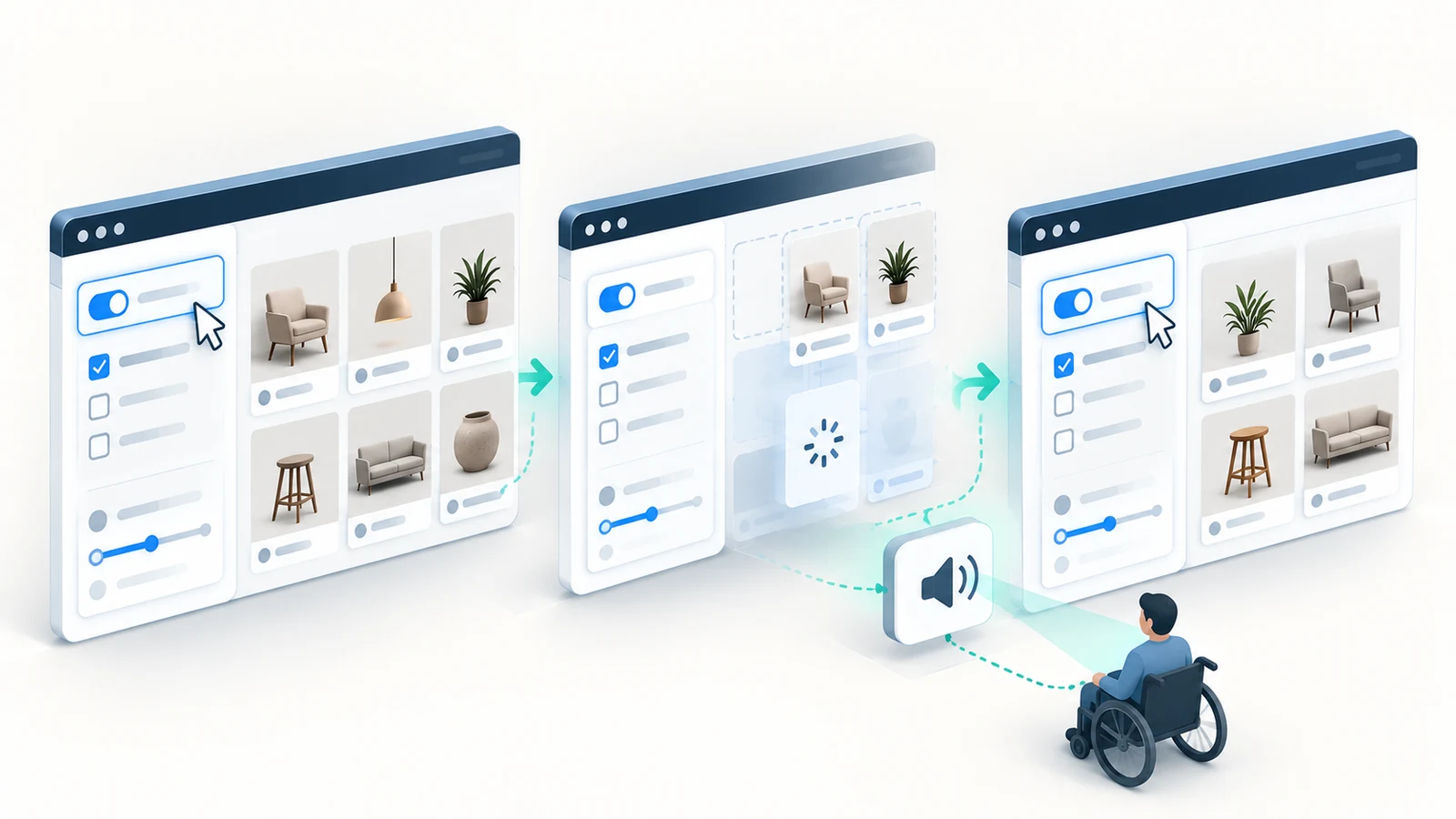
Accessible buttons and checkboxes are only the beginning.
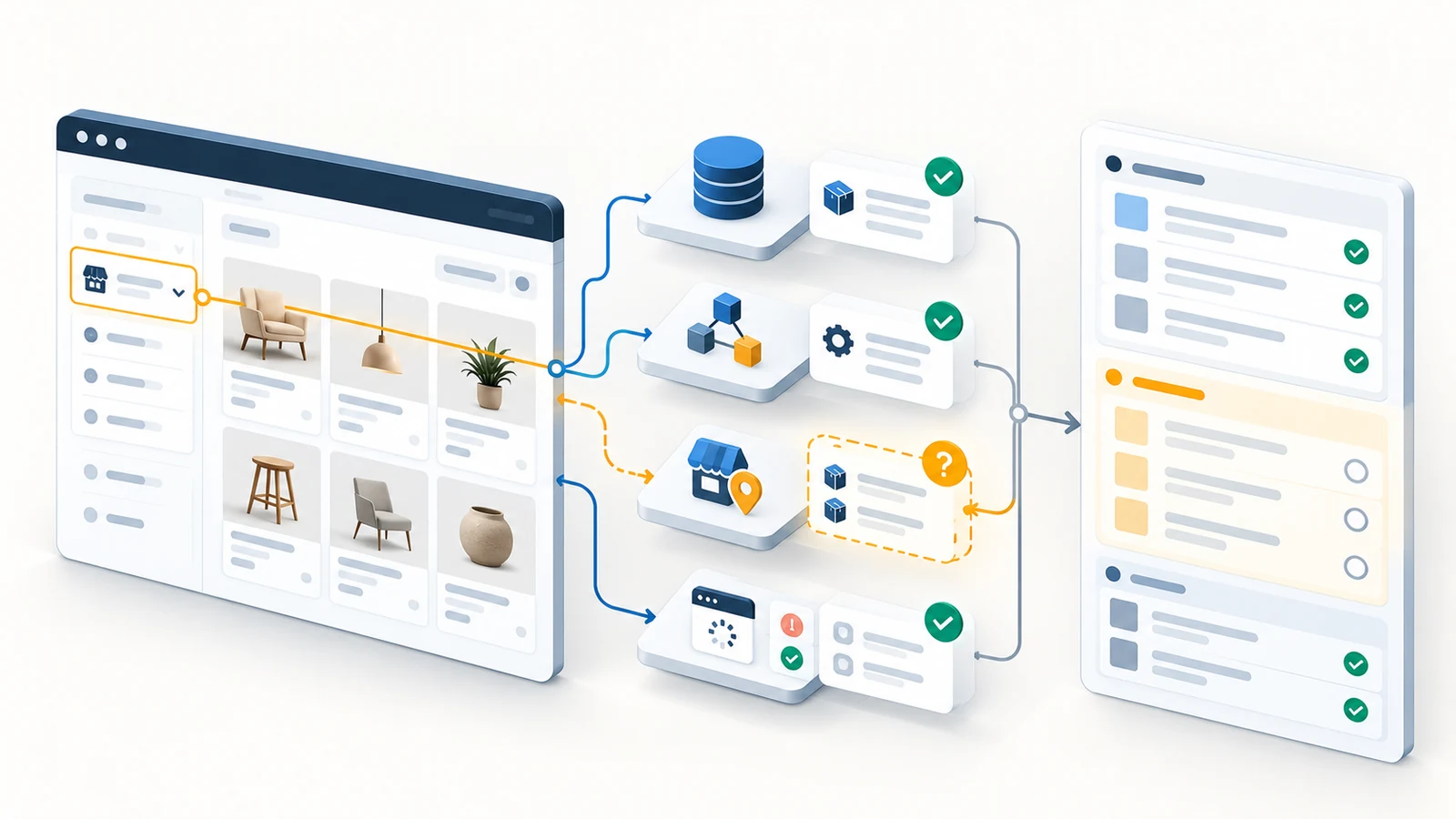
A feature that looks small in a screenshot can have very different engineering costs.

A green Sprint board cannot prove software quality.
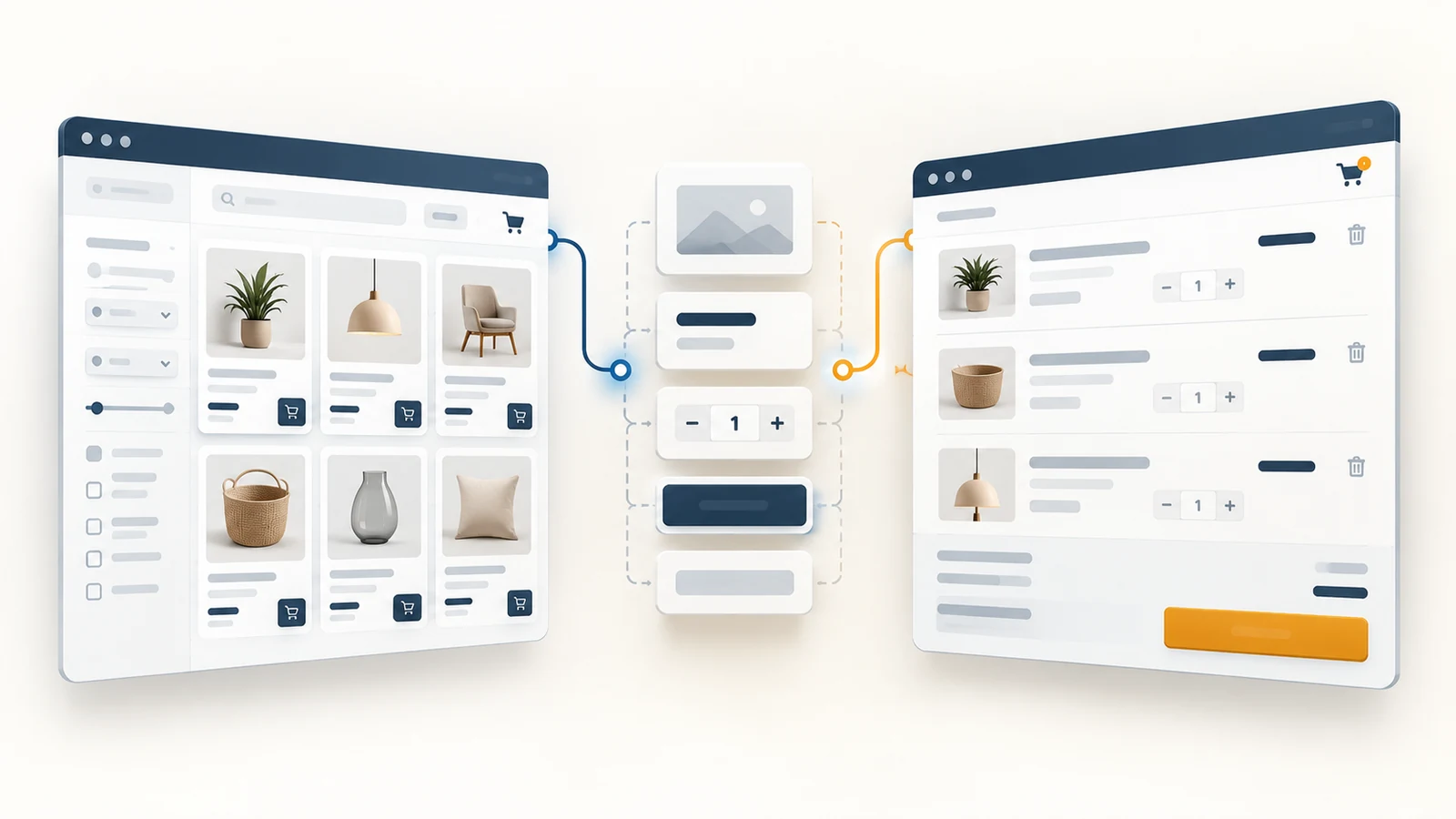
Two interfaces may look almost identical while behaving very differently.
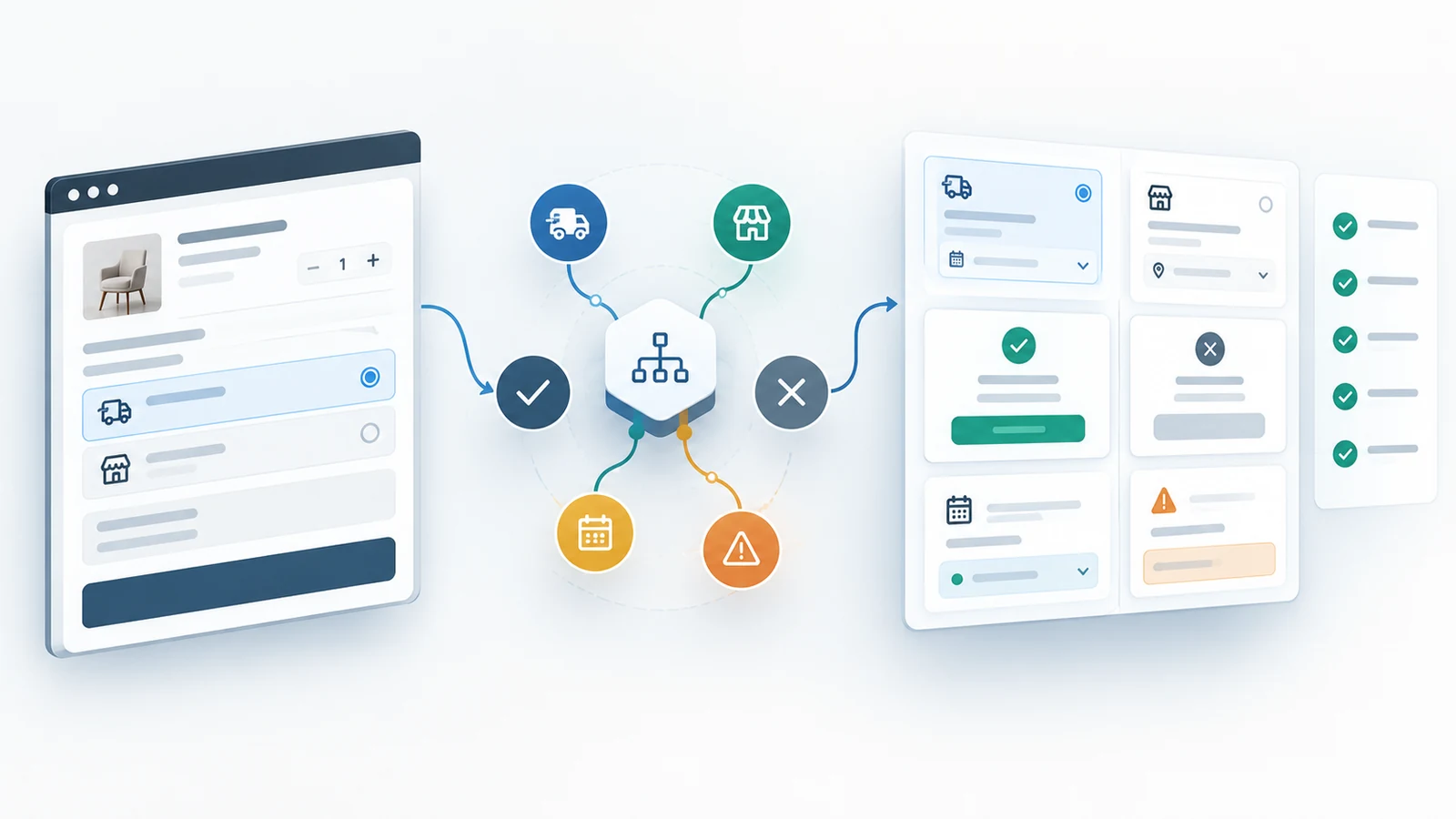
What does “let users change a delivery option” really mean?

How to evaluate impact when a new interface must coexist with an older one
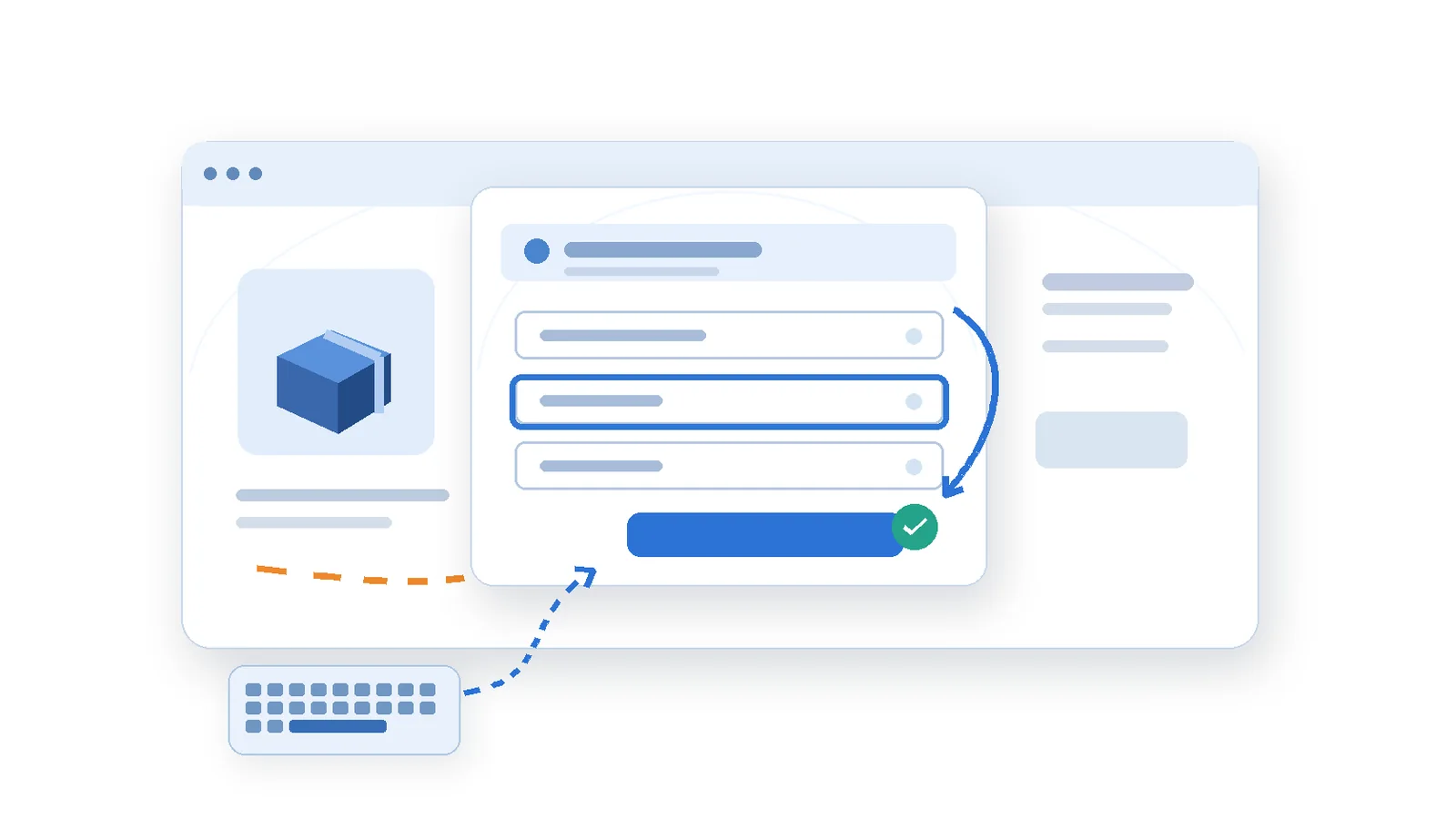
Accessibility tests find barriers.
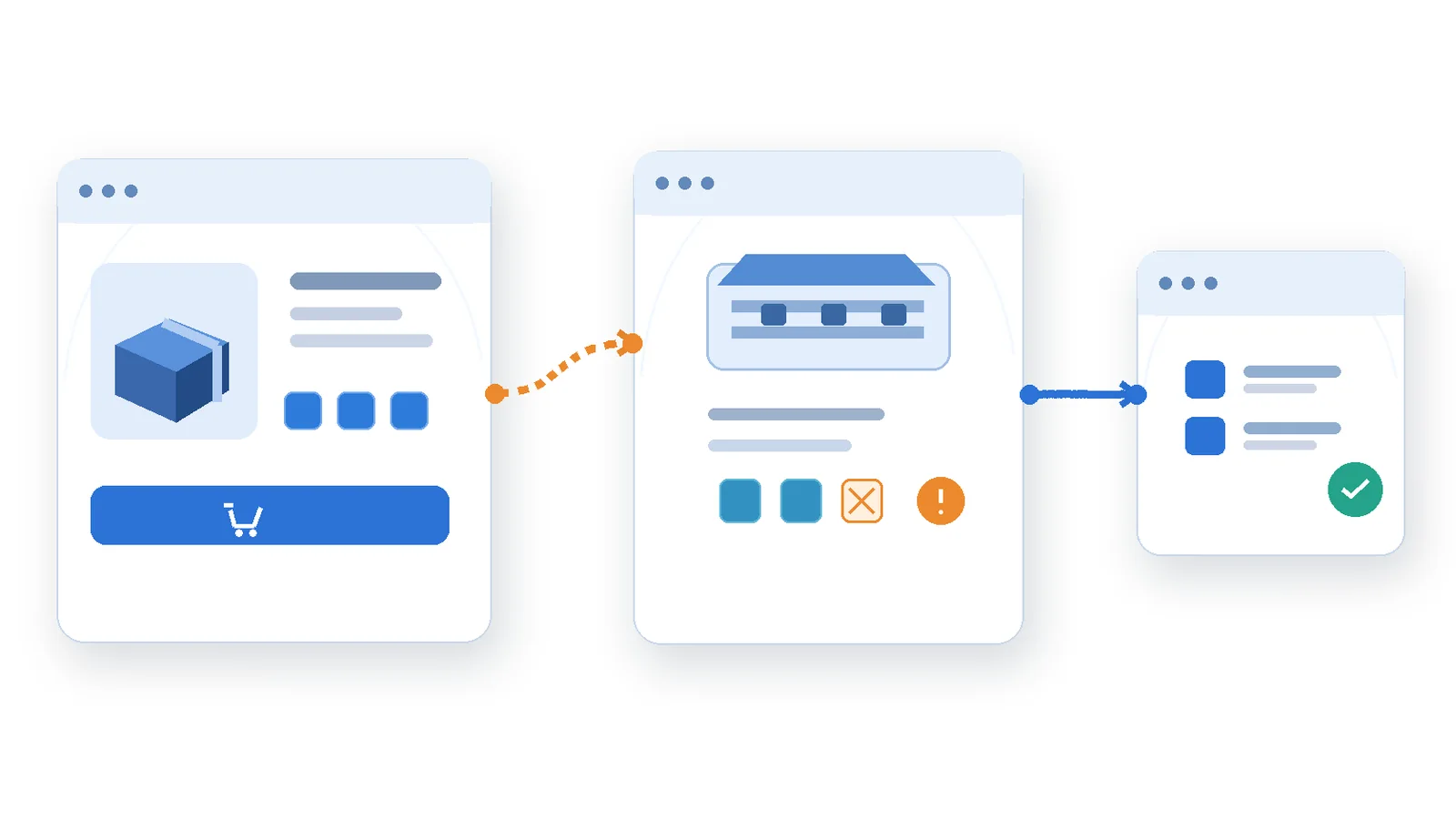
A polished product page can show the wrong availability or confirm an unaccepted cart change.
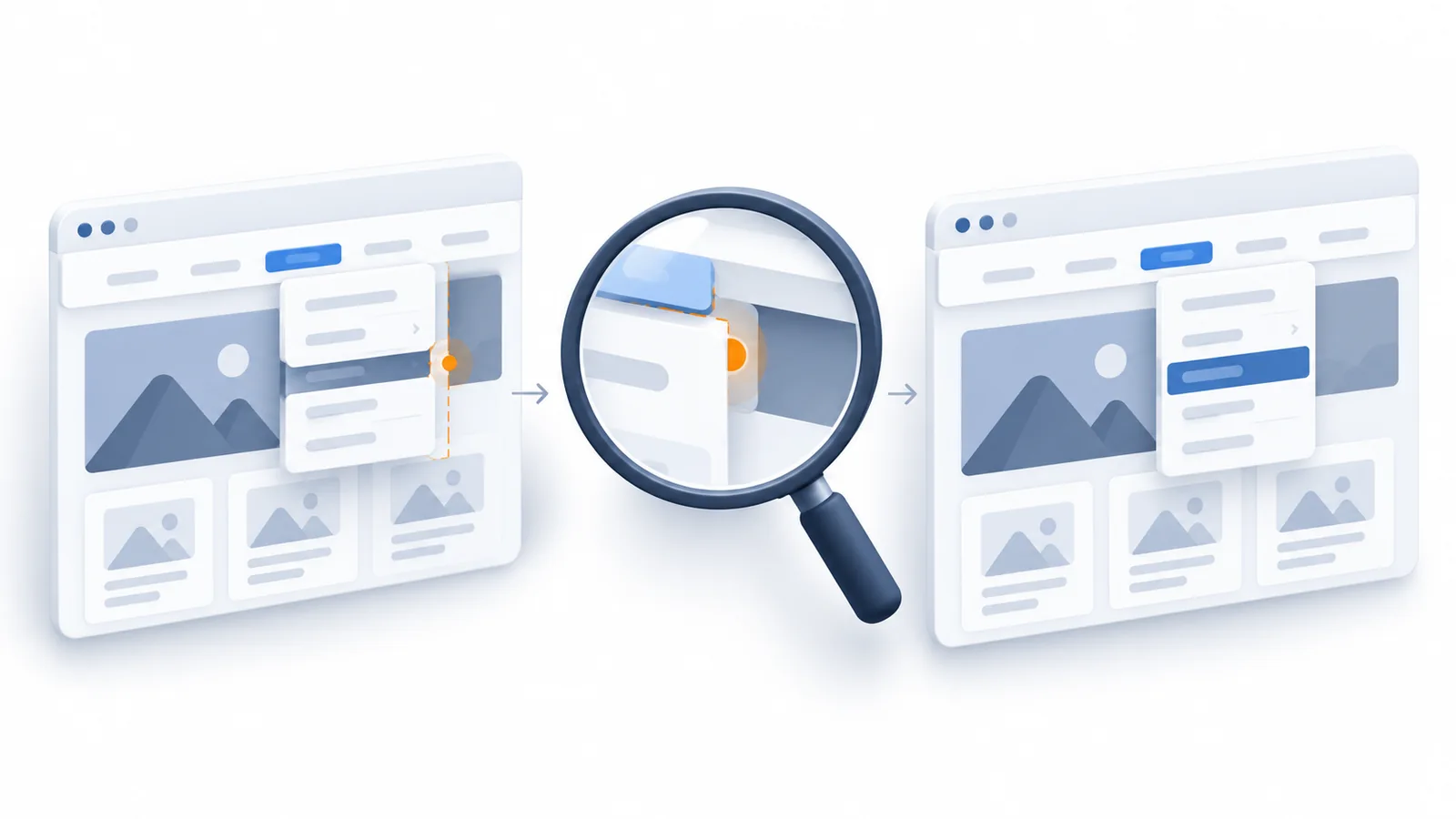
When an older interface fails, replacing it can hide the cause.
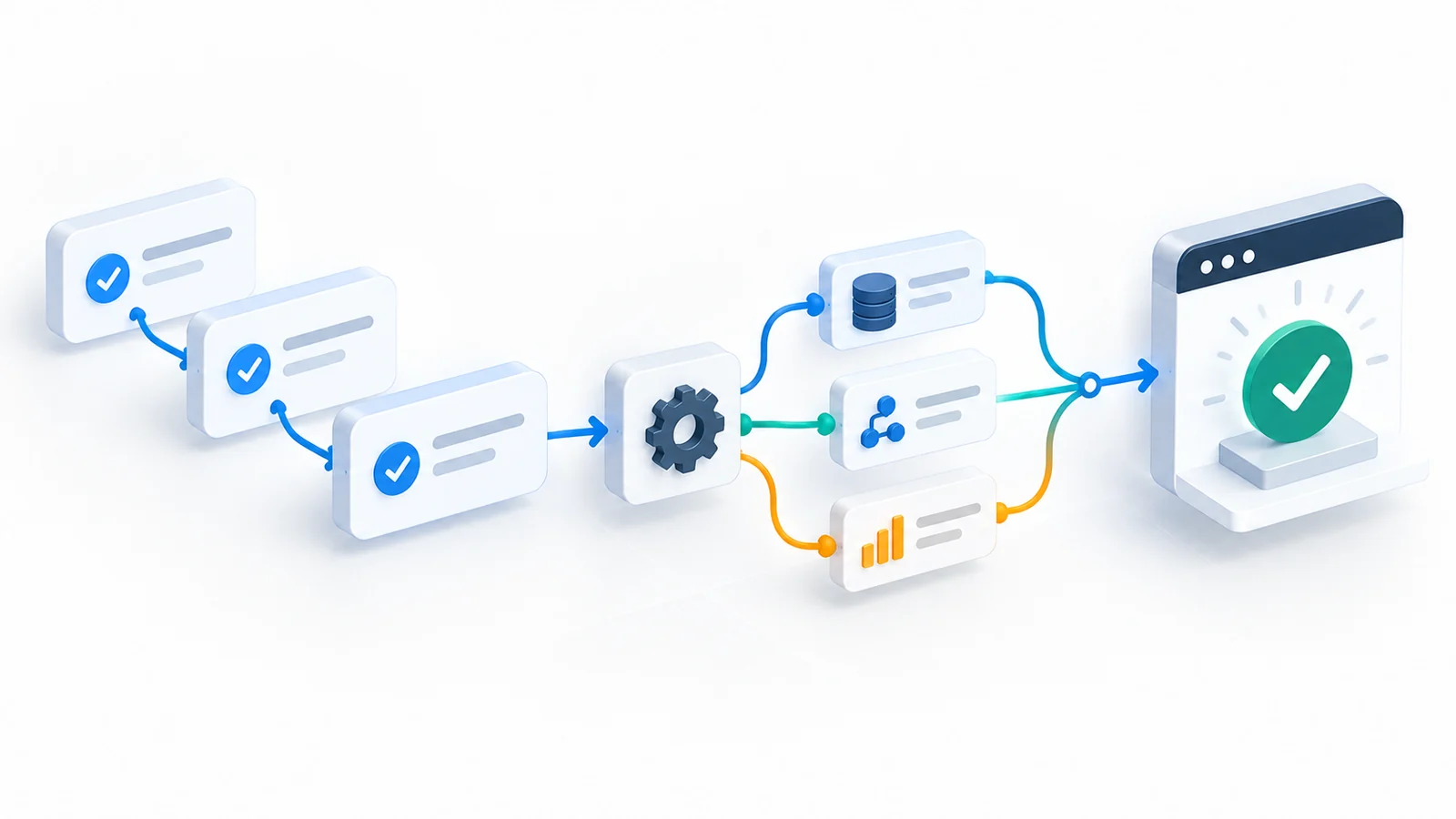
Completing a task matters.
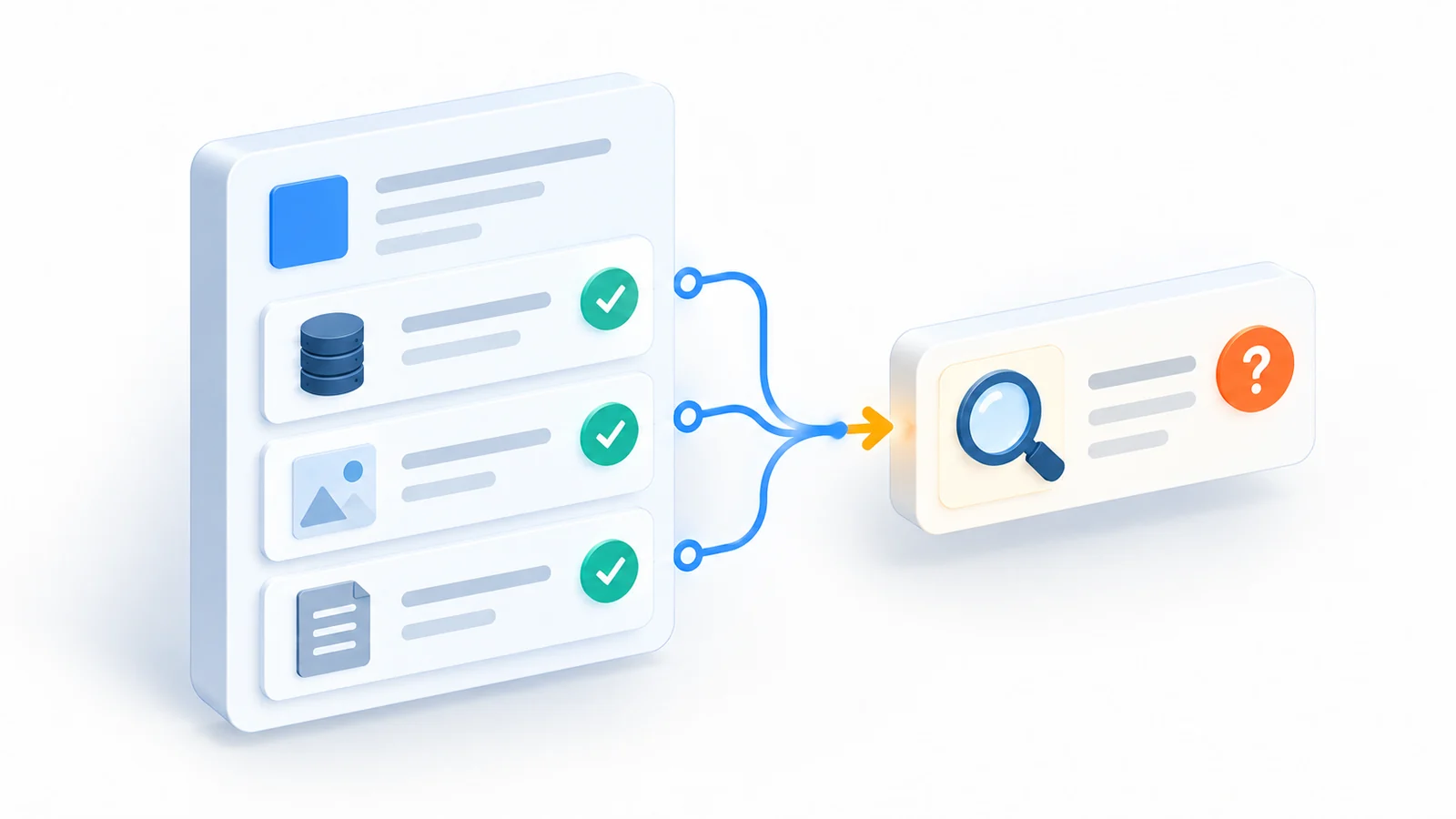
Professional credibility does not require knowing everything.

Technical skill builds confidence, but dependable communication and realistic commitments allow colleagues and clients to plan safely.
Try another keyword or topic.