The Difference Between Doing the Work and Owning the Outcome
Completing a task is not always the same as solving the problem. A personal reflection on responsibility, judgment, and what real ownership looks like in professional work.
For a long time, I thought doing good work meant completing what had been assigned to me.
The requirement was clear. I implemented it carefully. I tested it. I delivered it on time. If the code was correct and the ticket was closed, I considered the work finished.
That is not a bad standard. In fact, many problems begin because people do not do the basic work well. Details matter. Deadlines matter. Following through matters.
But experience taught me that a task can be completed correctly while the actual problem remains unsolved.
A page can match the design and still be difficult to use. A feature can satisfy the written requirement and still fail in the environment where people depend on it. A technically clean change can create a maintenance problem for the next person. A ticket can be closed while the reason it existed is still there.
This is the difference between doing the work and owning the outcome.
Doing the work means taking responsibility for your part. Owning the outcome means staying connected to the reason the work exists.
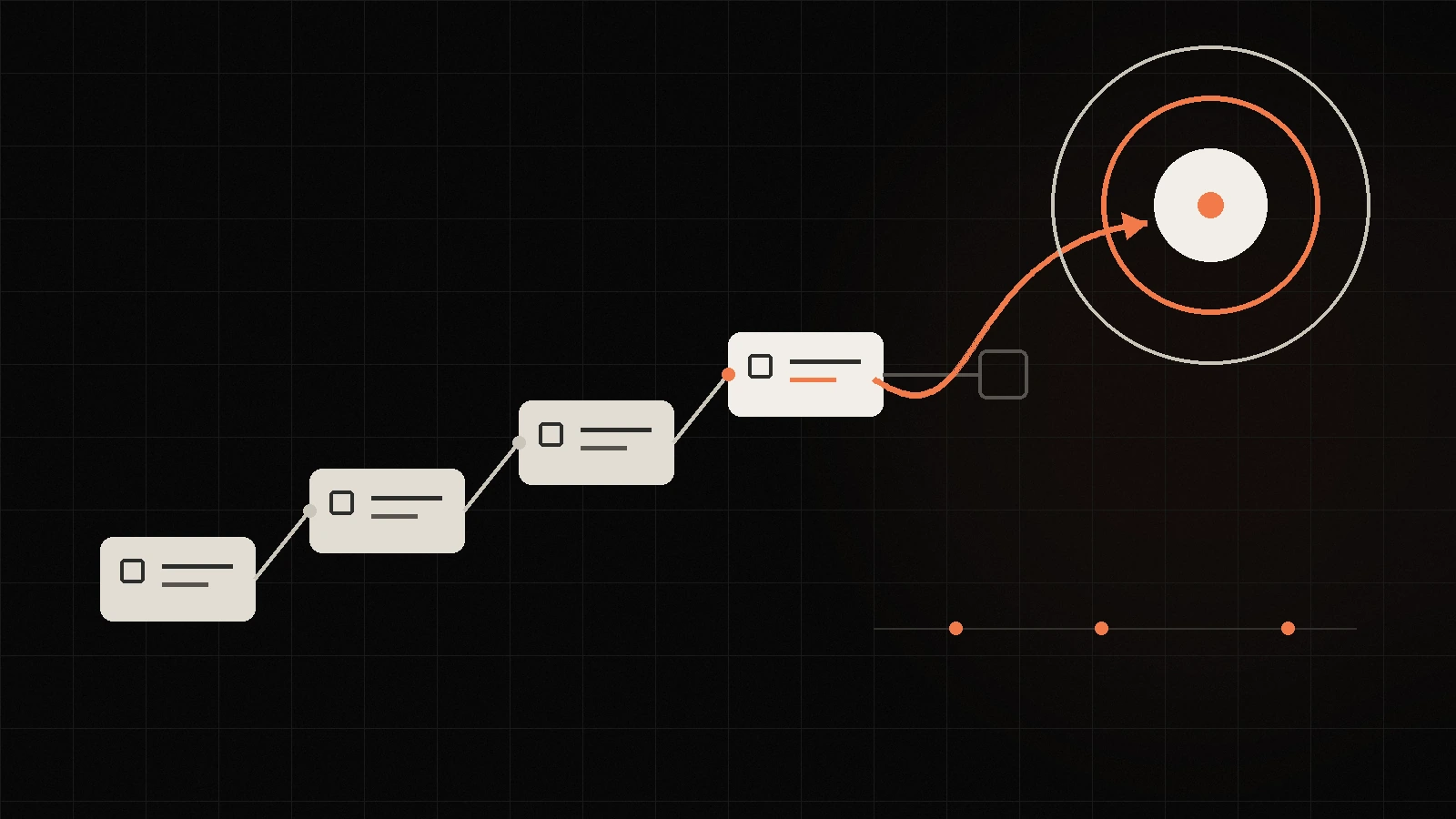
The task is a unit of work. The outcome is the change that work was meant to create.
The ticket is not the problem
In software, the request often reaches us as a small, manageable object: a ticket, a design, a bug report, a message, or a list of acceptance criteria.
That object is useful because it gives the work a boundary. But it is only a representation of the problem. It is not the problem itself.
A ticket may say that a mobile page looks like the desktop version. The immediate task might be to compare templates or CSS. But the real outcome is not “change the markup.” The real outcome is that a person using a phone sees a usable mobile page in the environments where the issue occurs.
That distinction changes the questions I ask.
Instead of asking only, “What file should I change?” I need to ask:
- Does the issue happen in every environment or only one?
- Is the frontend receiving different HTML or data?
- Is the problem caused by code, configuration, caching, or content?
- What would prove that the issue is actually resolved?
- Could the fix affect accessibility, search, performance, or another page type?
Sometimes the answer is still a small code change. Sometimes there is no frontend change to make at all. Ownership means being willing to discover either answer.
Correct execution can still produce the wrong result
One of the uncomfortable lessons of professional work is that “I did exactly what was requested” is not always a strong defence.
It can be factually true and still reveal that nobody protected the outcome.
Requirements are written by people working with incomplete information. Designs cannot show every state. Clients do not always know which technical details matter. Developers cannot see every business consequence. Managers may understand the goal but not the implementation risk.
The gaps between these perspectives are where many failures begin.
Owning the outcome does not mean ignoring the request or replacing it with your own opinion. It means looking carefully enough to notice when the request and the intended result are drifting apart.
There have been times when the most useful thing I could do was not begin implementation immediately. It was to ask one more question, compare the behaviour in another environment, or explain that the requested solution would address the symptom but not the cause.
That can feel slower at the beginning. It is usually faster than discovering the same problem after release.
Ownership starts before implementation
Doing the work often begins when the task is assigned.
Ownership begins earlier, with understanding.
Before I commit to a solution, I try to understand what should be different when the work is complete. Not only what should be built, but what should improve.
For a frontend change, that may include the visible interface, keyboard behaviour, screen-reader output, responsive layouts, loading states, search semantics, content editing, analytics, browser support, and long-term maintenance. Not every task needs a deep investigation into all of these areas. But they should not remain invisible simply because they were not written in the first sentence of the ticket.
Experience has made me less impressed by fast answers and more interested in accurate problem definitions.
A clear problem does not guarantee an easy solution. It does prevent a great deal of unnecessary work.
Ownership continues after delivery
A common professional habit is to treat delivery as the finish line.
The pull request is merged. The page is published. The document is sent. The meeting is finished. The task moves to Done.
But delivery proves only that something was produced. It does not prove that it worked.
Owning the outcome means checking what happened next.
Did the change reach the correct environment? Did the content appear as expected? Did the original problem disappear? Did another state break? Can the people responsible for maintaining it understand what changed? Does the client know what still depends on configuration or content?
This does not require hovering over every task forever. It requires staying involved long enough to close the loop.
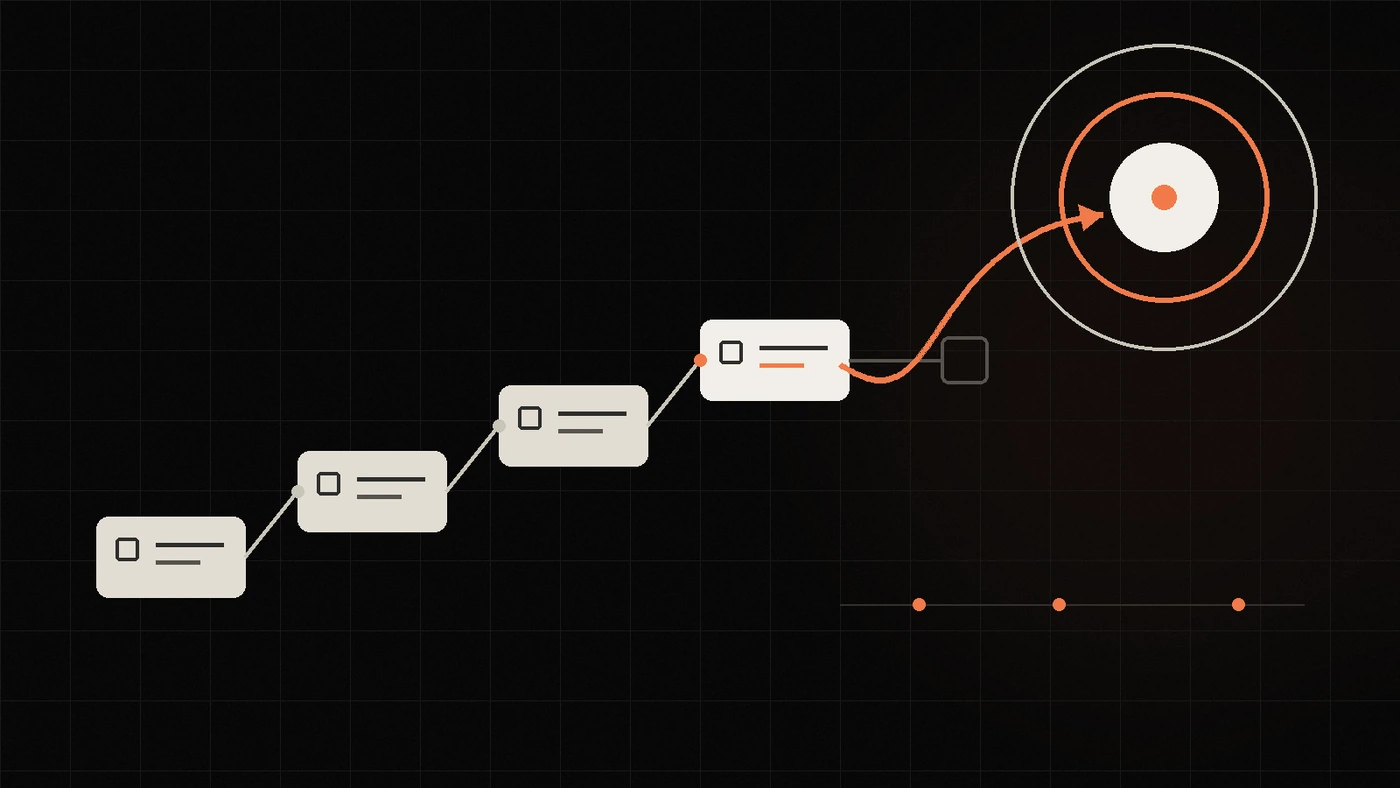
Delivery is one step in the chain. Verification is what connects it to the result.
Ownership is not heroism
There is a bad version of ownership that looks like taking everything personally.
One person becomes the centre of every decision. They review every detail, solve every problem, and quietly compensate for unclear roles. They may look highly responsible, but the system becomes dependent on their constant attention.
That is not sustainable ownership. It is hidden fragility.
Real ownership includes delegation, boundaries, and clear responsibility. It means involving the right person instead of pretending to have every answer. It means documenting decisions so knowledge does not remain inside one person. It means raising a risk early rather than rescuing the project privately at the last moment.
Owning the outcome does not mean doing everyone else’s work.
It means making sure important work does not disappear between everyone else’s responsibilities.
The hardest part is responding without excuses
When an outcome is poor, there is usually a reasonable explanation.
The requirement was incomplete. The deadline was tight. Another team controlled the configuration. The client approved the design. The issue could not be reproduced locally. The system behaved differently in production.
Any of these may be true.
Ownership does not require denying reality or accepting blame for things outside your control. It asks a more useful question:
Given what I knew, what could I have done to reduce the risk?
Perhaps I could have documented the assumption. Perhaps I should have tested the production response instead of only the local component. Perhaps I needed to say that the estimate did not include an unknown dependency. Perhaps the right action was to stop and involve someone with access I did not have.
This question is not always comfortable, but it creates learning. Defensiveness protects the past. Ownership improves the next decision.
Reliability grows from this difference
People do not trust professionals only because they can complete tasks. They trust them because they believe the important part will not be neglected.
That trust is built when someone notices an unclear requirement, communicates a risk, checks the real environment, and remains present when the result differs from the plan.
It does not require perfection. It requires attention to consequence.
After nearly a decade working with websites, long-lived frontend systems, CMS platforms, accessibility, technical SEO, and ongoing maintenance, I have become less interested in whether work merely looks complete.
I care more about whether it holds up after release, whether the next person can maintain it, and whether it solves the problem that justified the effort.
A simple test
When I am unsure whether I am only doing the work or truly owning the outcome, I ask four questions:
- What is supposed to become better because of this work?
- What could make the delivered solution fail in practice?
- Who else needs information or involvement before this is complete?
- What evidence will show that the intended result was achieved?
These questions do not make every project easy. They make responsibility clearer.
Doing the work is essential. Nothing meaningful happens without execution.
But execution is not the whole job.
The task tells us what to produce. Ownership keeps us responsible for why we are producing it.
Reliability Is More Valuable Than Looking Impressive
A strong first impression may create an opportunity, but reliability is what makes people trust you with the next one.
Read article
Being Honest About What You Know and What You Do Not
Professional credibility does not come from always having an answer. It comes from describing your knowledge accurately and knowing what must still be verified.
Read article